
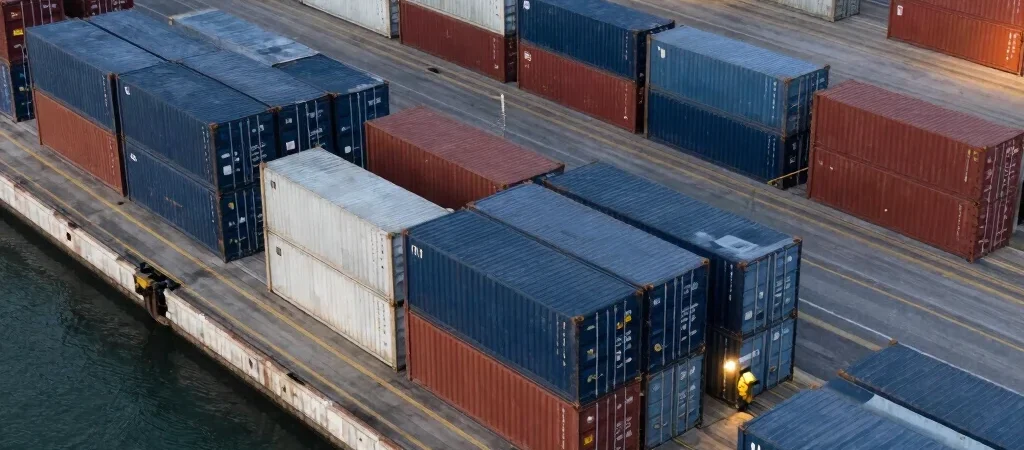
As global commerce grows increasingly interconnected, physical assets in transit face unprecedented vulnerabilities that standard commercial property policies were never designed to absorb. Supply chain friction, cargo theft, and transport delays routinely test corporate resilience and capital reserves. Evaluating inland marine coverage alongside primary property protection allows executive leadership to close critical gaps between fixed facility boundaries and goods moving across transit networks.
Identifying the Limits of Standard Property Policies
Conventional commercial property agreements typically restrict coverage to specified physical locations or tight geographic radiuses surrounding corporate headquarters and warehouses. When high-value inventory, specialized machinery, or sensitive materials leave those fixed boundaries, exposure shifts to third-party carriers whose liability limits may cover only a fraction of actual asset value. A rigorous review of transit clauses frequently reveals uninsured intervals during transfers, temporary staging, or offsite assembly.
Structuring Inland Marine Endorsements for Transit Continuity
Modern inland marine coverage provides specialized financial protection for mobile equipment, cargo in transit, and proprietary technology deployed in the field. By establishing agreed-value terms and comprehensive transit endorsements, risk managers ensure that full valuation is restored immediately following an insurable disruption. This tailored structure eliminates administrative delays during claim resolution and preserves operational momentum across all logistical channels.
Developing Integrated Mitigation Frameworks
True resilience requires combining financial risk transfer with proactive operational protocols and ongoing broker oversight. Asset managers must conduct regular valuations of goods in transit and align policy language with current supply chain realities. Partnering with seasoned risk specialists ensures that insurance contracts adapt dynamically as trade routes and operational scales expand.